Decoding the business of healthcare innovation.

1854 is a newsletter on how healthcare innovation gets funded, built, and delivered today, and what better looks like tomorrow.

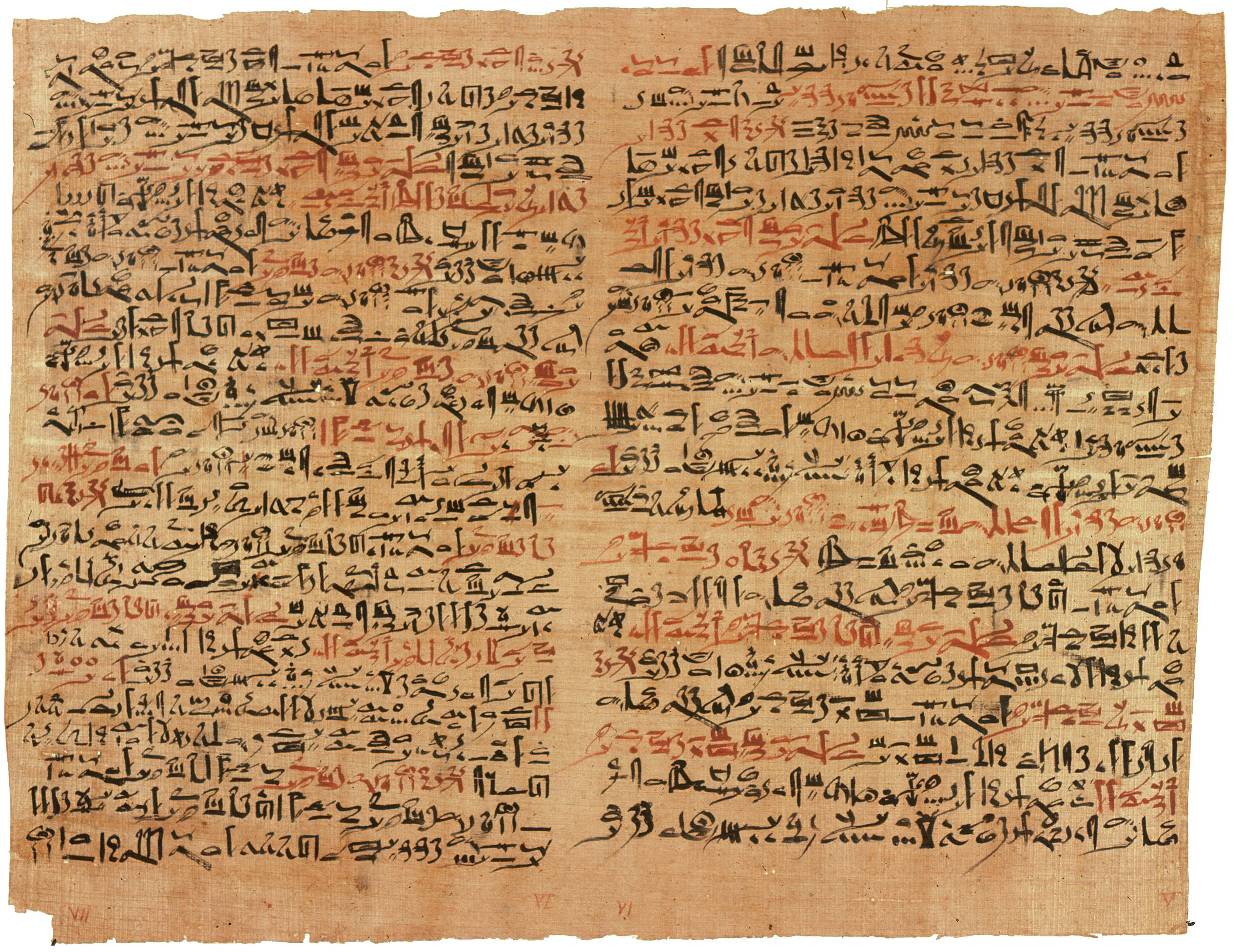
Edwin Smith Papyrus, c.1600 BC
Edwin Smith Papyrus
Edwin Smith Papyrus
Edwin Smith Papyrus, c.1600 BC. The oldest known surgical document. Medicine as a systematic practice begins here.
Hippocrates bust, classical antiquity
Hippocrates
Hippocrates
Hippocrates, c.460 BC. The first to argue that disease had natural, not supernatural, causes. The foundation of evidence-based medicine.
Leonardo da Vinci, Vitruvian Man, c.1490
Da Vinci
Da Vinci
Leonardo da Vinci, c.1490. Vitruvian Man. The first systematic attempt to understand the body as a measurable, observable system.
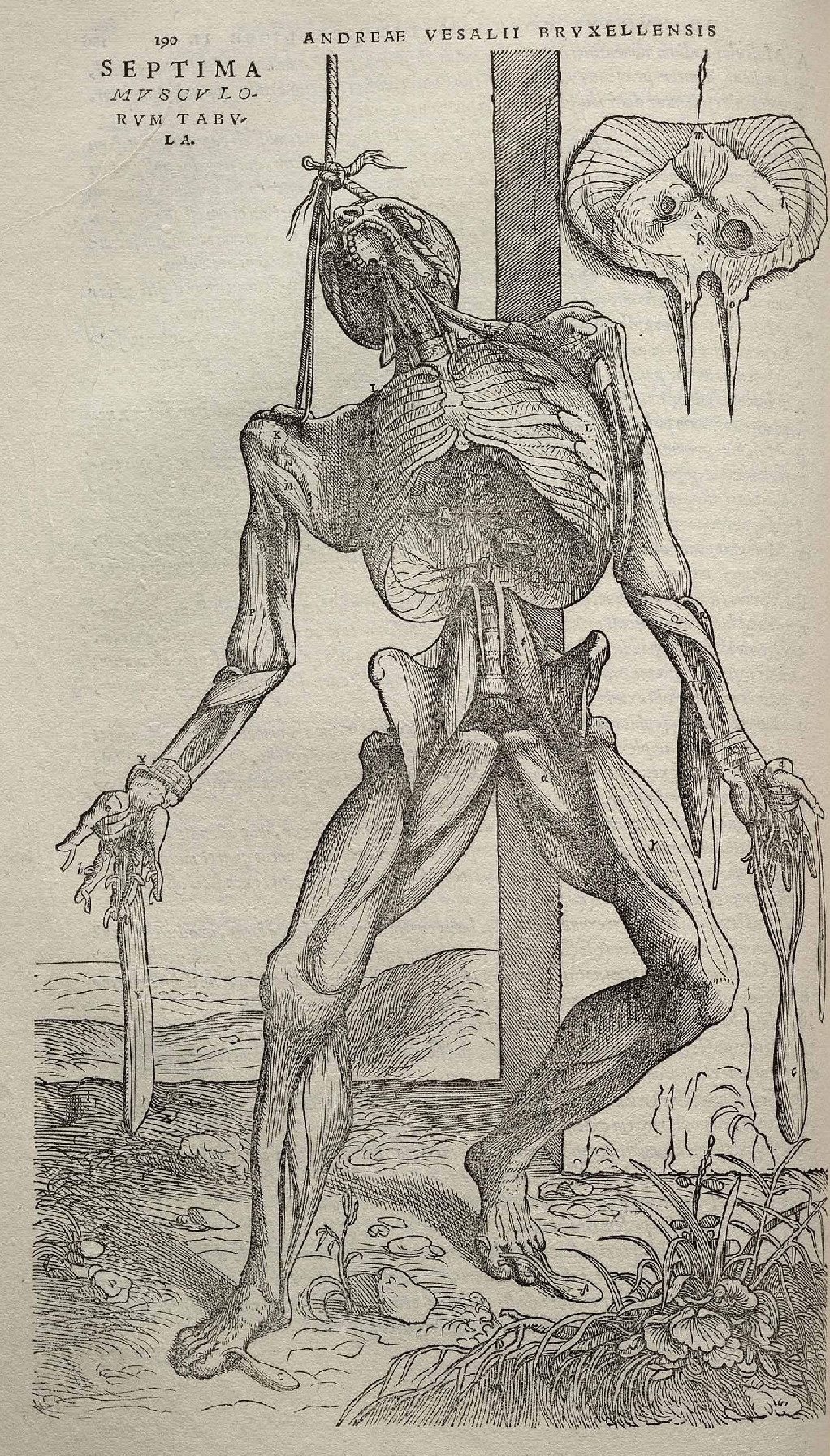
Vesalius, De humani corporis fabrica, 1543
Vesalius
Vesalius
Andreas Vesalius, 1543. De humani corporis fabrica. Anatomy based on direct observation, not inherited doctrine.
Jenner vaccination cartoon by Gillray, 1802
Jenner
Jenner
Edward Jenner, 1796. The first smallpox vaccine. The first proof that prevention was possible.
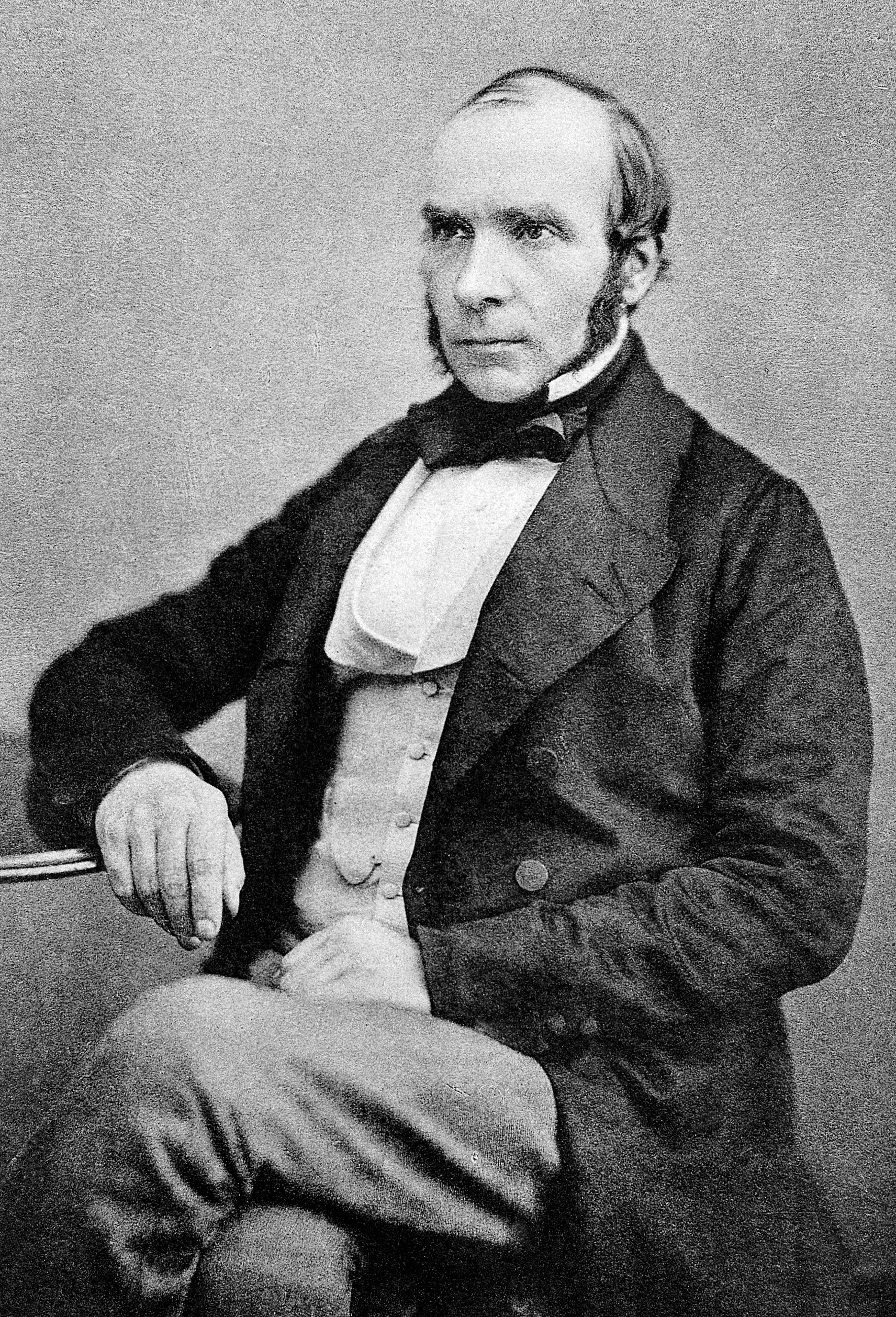
John Snow, engraved portrait
Snow
Snow
John Snow, 1854. He didn't wait for consensus. He mapped the deaths, traced them to a single water pump on Broad Street, and got the handle removed. The outbreak stopped.
Florence Nightingale polar area diagram, 1858
Nightingale
Nightingale
Florence Nightingale, 1858. Polar area diagram. Data visualisation in service of saving lives. The first person to use statistics to drive healthcare reform.
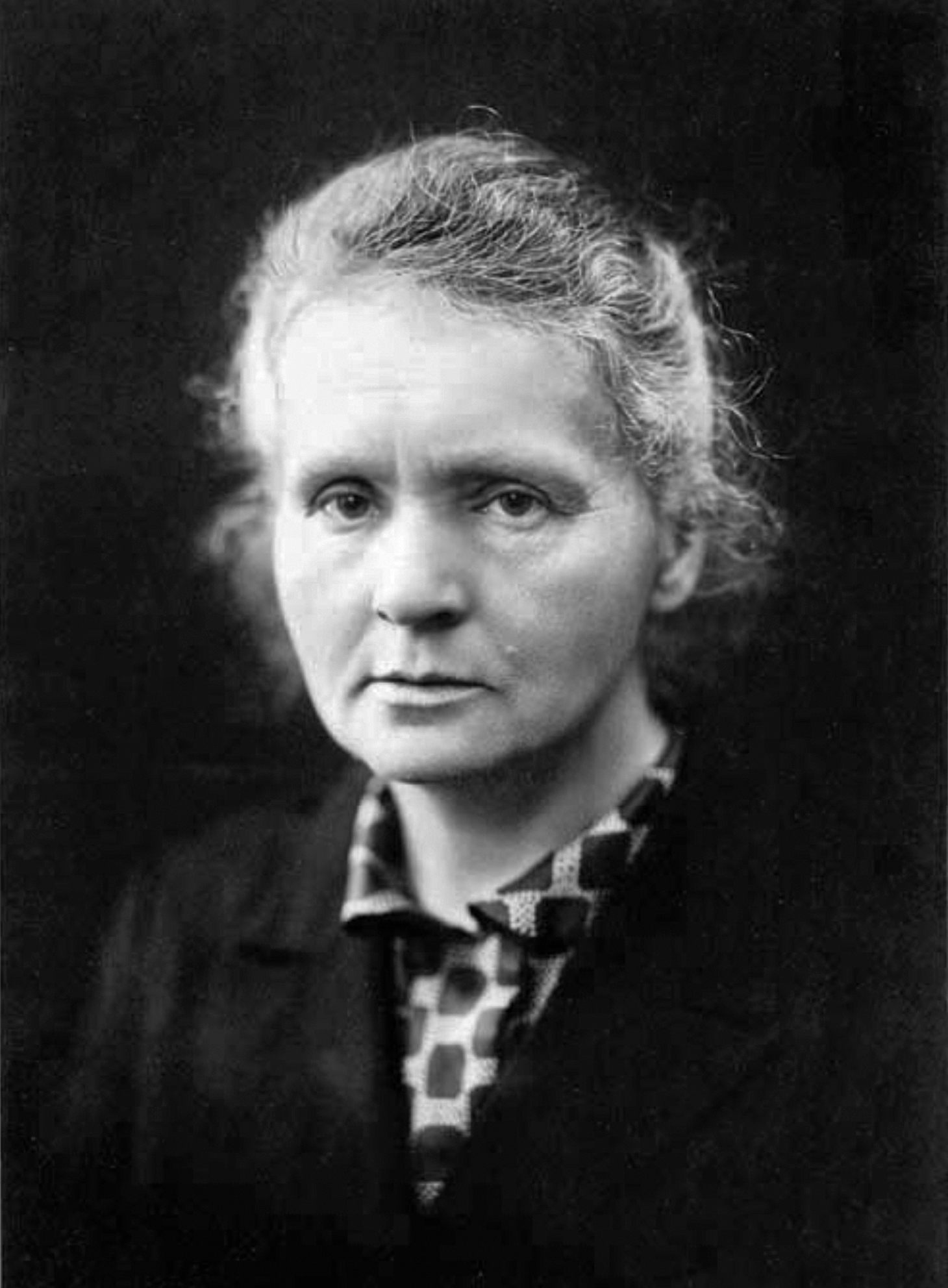
Marie Curie portrait c.1920
Curie
Curie
Marie Curie, 1903 and 1911. The only person to win Nobel Prizes in two different sciences. Radioactivity, mobile X-ray units in WWI. Physics in service of patients.
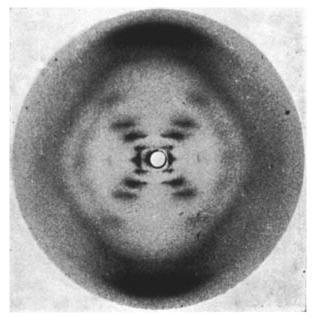
Photo 51, Rosalind Franklin, 1952
Franklin
Franklin
Rosalind Franklin, 1952. Photo 51. The X-ray crystallography image that revealed the structure of DNA. Her contribution took decades to be properly recognised.
Banting and Best, insulin discovery, 1921
Banting & Best
Banting & Best
Frederick Banting and Charles Best, 1921. The discovery of insulin. A death sentence became a manageable condition.
Alexander Fleming portrait
Fleming
Fleming
Alexander Fleming, 1928. A mould contaminated his petri dish and he didn't throw it away. The accidental observation that gave us penicillin.
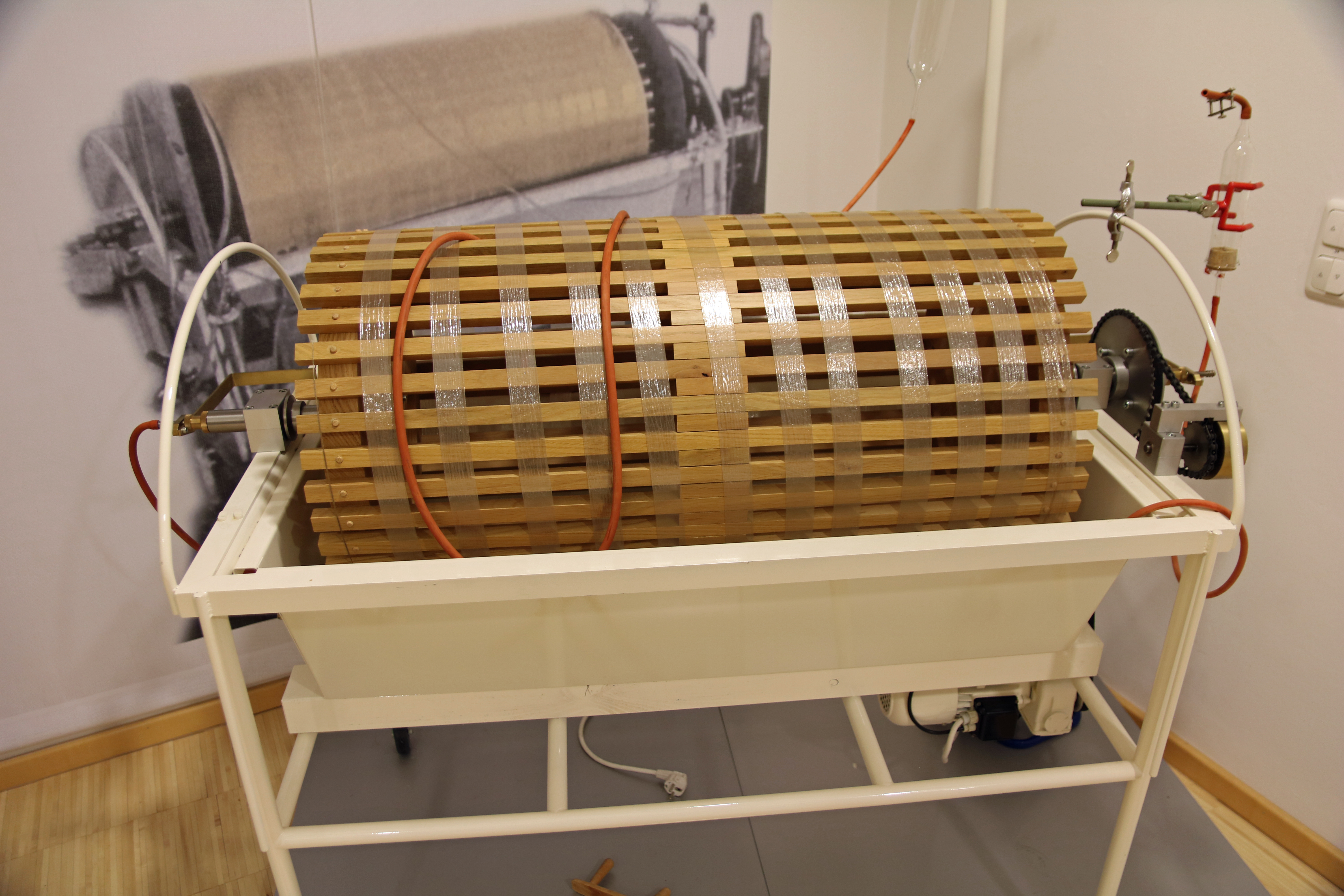
Kolff rotating drum kidney dialysis machine, 1943
Kolff
Kolff
Willem Kolff, 1943. The first dialysis machine, built from orange juice cans in Nazi-occupied Netherlands. Ingenuity under impossible conditions.
ACT UP demonstration, New York City
ACT UP
ACT UP
ACT UP, 1980s. Patients and advocates refusing to let the AIDS crisis be ignored. The government has blood on its hands.
CRISPR-Cas9 molecular visualisation
Doudna & Charpentier
Jennifer Doudna and Emmanuelle Charpentier, Nobel Prize 2020. CRISPR-Cas9. The ability to edit the code of life.
Katalin Karikó, 2023 Nobel Reception
Karikó
Katalin Karikó
Katalin Karikó, 2023 Nobel Prize. Spent decades being demoted and defunded for her belief in mRNA. Her perseverance became the foundation of the COVID-19 vaccines. The idea outlasted the setback.
The name

Why 1854?

Asta, here.

I'm a history nerd. Always have been. I'm also a patient, a carer, and someone who has watched people I love wait far too long for answers that healthcare should already have. That combination is probably why I ended up here, writing about healthcare innovation and with a level of impatience that surprises even me sometimes.

I named this newsletter 1854 because of two stories from that year that I keep coming back to.

The first story is about Dr. John Snow. Cholera was tearing through London's Soho: more than 600 people died in ten days. Snow didn't wait for consensus. He mapped the deaths, traced them to a single water pump on Broad Street, and got the handle removed. The outbreak stopped. He observed, he mapped, he acted. People lived who would have died.

The second story is about Charles Babbage. He spent decades trying to build a Difference Engine, lost his government funding, and never finished it. In 1854, a Swedish printer named Georg Scheutz built one anyway, working from Babbage's designs. The idea outlasted the setback. That, for me, is the note of optimism I want to carry into this work. Even when it feels like a lost cause, even when the funding runs out and the momentum dies, things still get built. People find a way.

In healthcare, that matters more than almost anywhere else. Understanding how innovation gets funded, built, and delivered today, and what better looks like tomorrow, is the whole point. That's what 1854 is here to decode.
Essays

The 1854 Manifesto
Healthcare Innovation: Why Are We Still Waiting?
Healthcare innovation is extraordinary. The pace at which it reaches patients is not. This is where 1854 starts.
Publishing July 2026
AI · Healthcare services
Healthcare Services 2.0: Do AI Rollups Make Sense in Healthcare?
A new model is emerging: build AI, acquire fragmented healthcare businesses to deploy it, and unlock margins that make innovation adoption possible. The case is compelling. Whether it holds depends on where you look.
In progress

The business of healthcare innovation, decoded.

Essays on healthcare innovation, every six weeks.